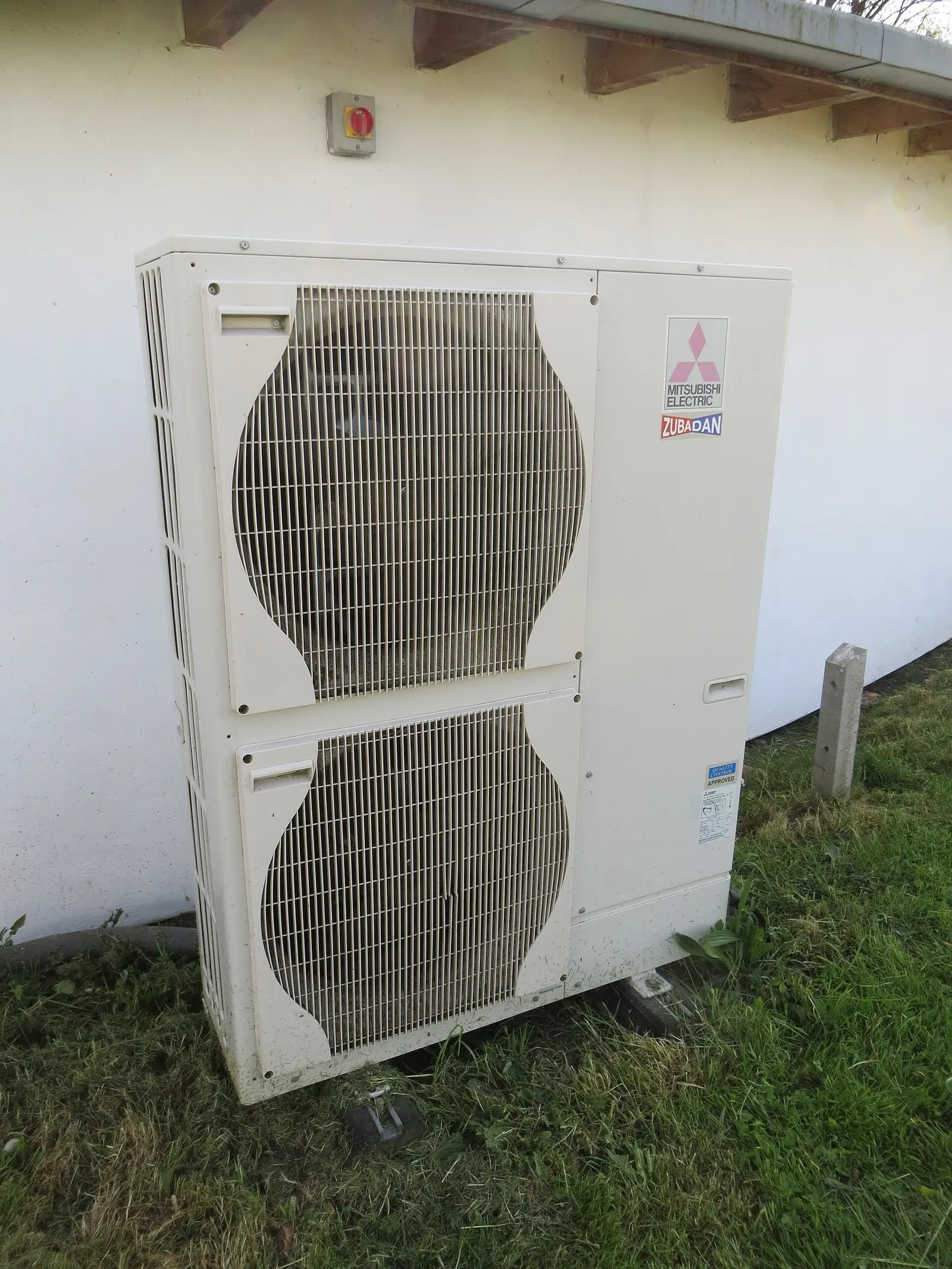
HVAC Installation Systems
Heat pump mounting: feet, ground stands, wall brackets or roof supports?
A comparison of the four common ways to mount an outdoor unit, and what a wholesaler’s range needs to cover each.
Updated: 27 September 2026
The four options
| Option | Best for | Watch out for |
|---|---|---|
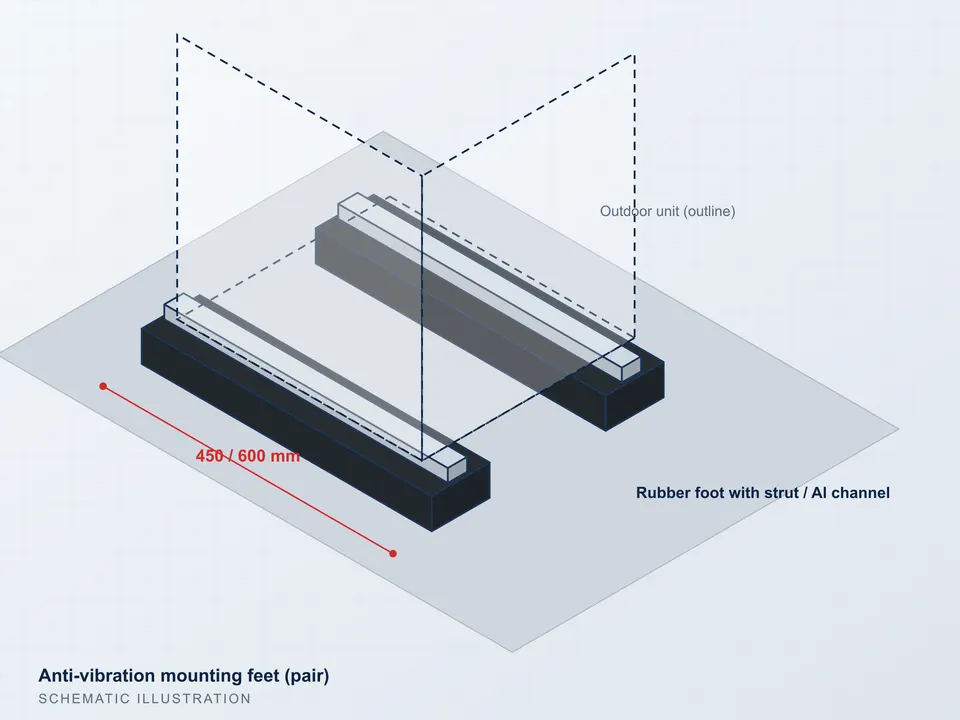
| Anti-vibration feet | Units on slabs, paving or flat roofs; quick installs | Enough height for condensate drainage and snow |
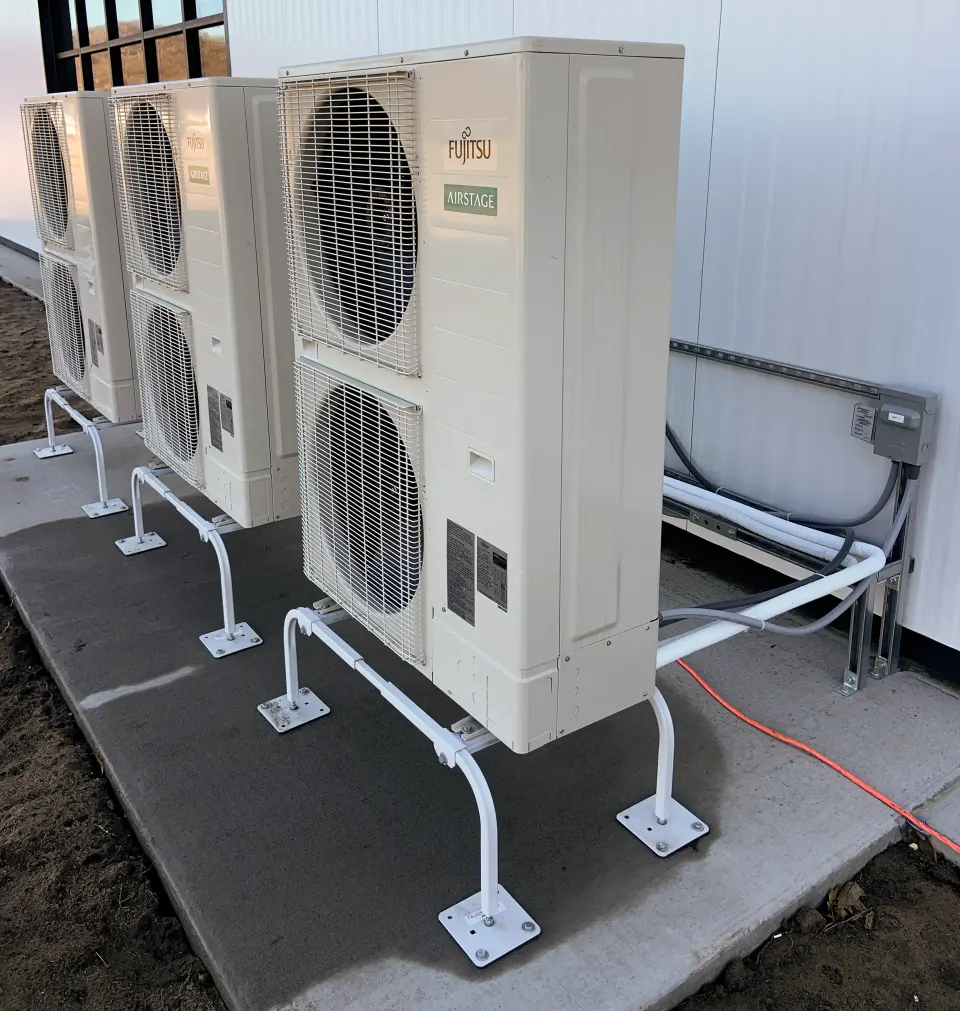
| Ground stands | Snow regions, wet ground, where clearance below the unit is required | Stability and anchoring in exposed sites |
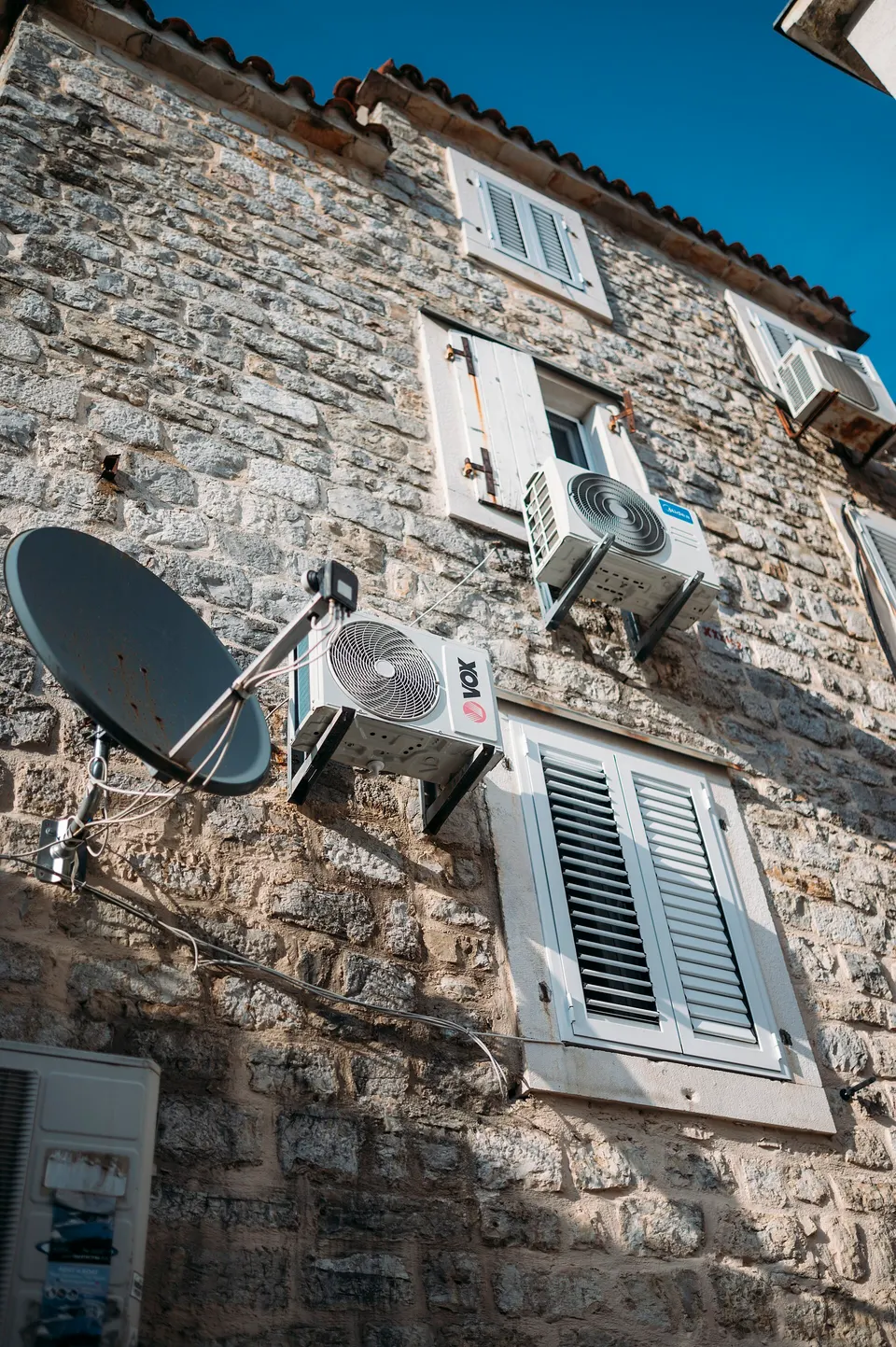
| Wall brackets | Tight sites; units the manufacturer permits on walls | Wall strength, anchors, vibration transfer to the building |
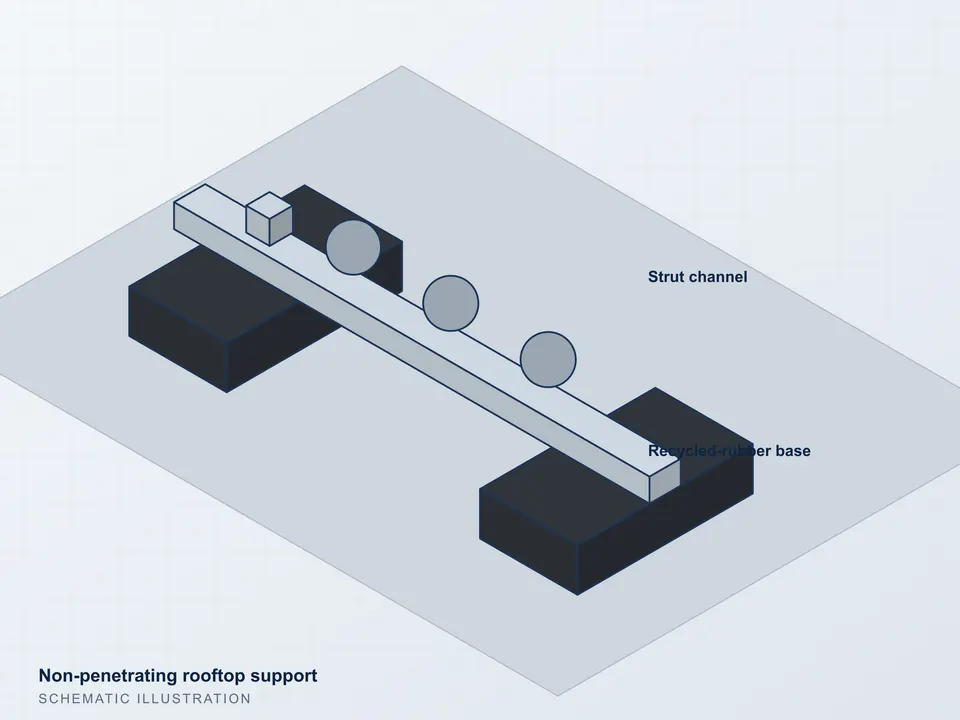
| Roof supports | Flat roofs without membrane penetration | Membrane compatibility, wind exposure, load spread |
Vibration and noise
Heat pumps run for long periods, often near bedrooms. Rubber elements between unit and structure reduce structure-borne vibration — the reason rubber feet or pads are included with most stands and brackets. Airborne noise is a separate question of unit choice and siting.
Load and data
Published loads vary widely: for example one popular recycled-rubber foot is rated at 450 kg per foot, while wall brackets are typically rated up to around 200 kg. Always size against the unit’s operating weight and the manufacturer’s tested figure — not the largest number in a catalogue.
Building a range
A wholesaler range that covers most installs needs 2–3 lengths of feet, a plastic and a galvanised stand, a standard and a heavy-duty bracket, and one roof-support family — packed consistently under one label.
Frequently asked questions
Which option is quietest?
Floor mounting on anti-vibration feet or pads usually transmits least vibration into the building; wall brackets need good isolation.
Can one SKU fit most domestic units?
Feet of 450 mm length suit many domestic units, but check foot spacing and weight for each model.
Related products
Request a Quotation
Tell us what you need. A specialist reviews every request and replies with a quotation or clarifying questions — usually within one business day.